Yearly Archives: 2012

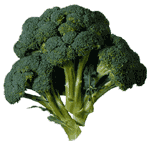
Broccoli

The name comes from the Italian word for “cabbage sprout” and indeed, broccoli is a relative of cabbage, Brussels sprouts and cauliflower. This deep emerald-green vegetable (which sometimes has a purple tinge) comes in tight clusters of tiny buds that sit on stout, edible stems. It’s available year-round, with a peak season from October through April. Look for broccoli with a deep, strong color green, or green with purple; the buds should be tightly closed and the leaves crisp. Refrigerate unwashed, in an airtight bag, for up to 4 days. If the stalks are tough, peel before cooking. Broccoli is an excellent source of vitamins A and C, as well as riboflavin, calcium and iron.
Baby Corn

Tender and sweet baby corns are often used in Chinese dishes and salads. Seeds are sown in spring and are cultivated like regular sweet corns. Corn ears should be picked for vegetable use within 5 days when silking.

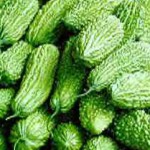
Bitter Gourd

Karela, also known as bitter gourd, bitter melon, balsam pear, or foogwa, is a plant believed to have originated in the tropics of the Old World and is now widely distributed in China, Malaya, tropical Africa and India, with India considered to be an important center of genetic diversity. In India, Karela is considered one of the most nutritious gourds and is a commercially important vegetable. Rich in vitamin A, vitamin C, iron and a good source of carbohydrates, the fruits are fried, boiled, stuffed, dried, and pickled. Some cultures also consume the tender shoots and leaves. The fruits, leaves, and roots have long been used in India as a folk medicine for diabetes; and in the West Indies, tropical Mexico and South America karela is one of the most commonly used medicinal herbs.

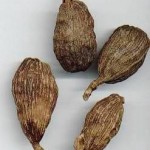
Black Cardamom

Black Cardamom is known as Badi elaichi in both Hindi and Bengali. These brown large pods are highly fragrant with a spicy flavor. They may be used whole or powdered. Badi elaichi is used to enhance meats and rice dishes. This form of elaichi is not used in desserts.

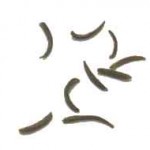
Black Cumin Seed (Shahi Jeera)

The black cumin seeds also known as ‘Shah Jeera’ is more pungent and mostly used in pulao and biryani. Indian cooks use this spice in many of their curries and tandoori dishes. It’s darker and sweeter than ordinary cumin. To bring out its nutty flavor, it helps to toast the seeds briefly before using them. Available as whole or in powdered form. Store in air tight container in dry place. Do not use wet spoon in the container for taking out for use. This spice is widely used in most Indian, Pakistani and Bangladesh dishes, also in Middle Eastern, North African preparations., used in Spanish stews and American pies. Substitutes: cumin (Not as sweet as black cumin.) OR nigella