
One early study (Lundy et al. 1975) showed defects in cell-mediated immunity in male alcoholic patients admitted for detoxification, in response both https://www.indiakidneyhospital.in/does-coffee-cover-up-alcohol/ to a new antigen and to an antigen to which they had previously been exposed. A more recent study (Smith et al. 2004) reported that a negative correlation existed between the amount of alcohol consumed by the participants and the size of DTH skin test responses to a specific antigen (i.e., keyhole limpet hemocyanin). For instance, genetically modified BALB/c mice that carried a TCR specific for the ovalbumin peptide and were fed a diet containing 30 percent ethanol-derived calories exhibited decreased antigen-specific Th1 responses (Waltenbaugh et al. 1998).
Alcohol’s Impact: How Drinking Affects Your Immune System’s Strength
These findings suggest that ethanol pretreatment can sensitize T cells to AICD (Kapasi et al. 2003). In vivo studies in humans confirmed these observations, demonstrating that binge drinking (i.e., consuming 5 to 7 drinks within 90 to 120 minutes) promoted T-cell apoptosis and decreased Bcl-2 expression (Kapasi et al. 2003). Your brain plays a big role in sensing when it’s time to kick your immune response into high gear. In response to stress, your brain activates the hypothalamic, pituitary and adrenal (HPA) axis.
How does alcohol affect the immune system?

While UTIs themselves are not typically life-threatening, if left untreated in a person with a weakened immune system, they can escalate into more severe infections, including kidney infections or even systemic infections. A concierge does alcohol weaken immune system addiction doctor can provide a range of services, including comprehensive assessments, individualized treatment plans, and ongoing support. “When you’re feeling run down or like you might get sick, you want to be well hydrated so that all the cells in your body have enough fluid in them and can work really well,” Favini says. The World Health Organization (WHO) and U.S. surgeon general have warned people to avoid drinking too much alcohol during the COVID-19 pandemic. For those who have a risk factor for COVID-19, like heart disease or diabetes, he recommends drinking even less. But anything more than a drink or so a day has the opposite effect, especially if you abuse or are addicted to alcohol.
- This chronic inflammation further weakens immune defenses and can exacerbate infections.
- 1 Individual factors in adults that can moderate the effect of alcohol consumption on immunity.
- Alveolar epithelial barrier disruption and subsequent pulmonary leakage are major contributors to ARDS (Liang et al., 2012, Burnham et al., 2003).
- By understanding its phases and implementing targeted strategies, individuals can rebuild a resilient immune system and enhance overall well-being.
Stopping smoking stressing you out?

Specifically, 24 hours of exposure to both low (1mM) and high (5mM) concentrations of acetaldehyde stimulate IL-6 secretion, however, 7 days of exposure to the high concentration of acetaldehyde, significantly decrease IL-6 secretion (Sarc, Wraber et al. 2011). In contrast, both acute (24 hours) and prolonged (7 days) exposure to low and high concentrations of acetaldehyde reduce TNF-α secretion by primary rat astrocyte (Sarc, Wraber et al. 2011). Although much of this research focuses on chronic alcohol use, experimental studies suggest that even episodic binge drinking can acutely disrupt immune signalling and gut integrity. From an alcohol and autoimmunity perspective, this supports the concept that alcohol may contribute to a pro-inflammatory environment that can aggravate autoimmune disease activity in susceptible individuals. Drinking alcohol is a common social activity, but it’s important to understand how it can affect your immune system. As the article title suggests, alcohol consumption weakens the immune system, making you more vulnerable to infections and long-term health problems.
Health News
Monocytes express Toll-like receptor (TLR) 4, the PRR that is often responsible for recognizing LPS on the surface of Gram-negative bacteria. After binding to LPS, monocytes are activated and mature into macrophages that travel to the site of infection to secrete important cytokines for the inflammatory response. Several studies have demonstrated the dose-dependent effect that alcohol has on preventing both monocytes and macrophages from binding to the bacterial cell wall component lipopolysaccharide (LPS). Understanding how alcohol interacts with your immune system empowers you to protect your health proactively. If you have concerns about alcohol use or its effects on immunity, consulting healthcare professionals and accessing resources from trusted organizations like the Centers for Disease Control and Prevention (CDC) can provide personalized guidance.
For context, a standard drink is defined as 14 grams of pure alcohol, equivalent to a 12-ounce beer, 5-ounce glass of wine, or 1.5-ounce shot of distilled spirits. The dendritic cell (DC), which plays a critical role in T marijuana addiction cell activation and initiation of adaptive immune responses, is another innate immune cell affected by ethanol. DCs uptake antigens in peripheral tissues which leads to their maturation, and then travel to draining lymph nodes where they present them to T cells (Janeway 2008). It impairs the function of white blood cells, reduces the production of cytokines (immune signaling molecules), and weakens the body’s ability to defend against infections.
- This doesn’t just mean a higher chance of catching a cold; it can translate into increased vulnerability to serious infections, slower recovery times, and even long-term consequences like chronic diseases.
- “Those at increased risk should cut down or abstain from alcohol because every little thing an individual can do to improve the health and reduce risk is worth it at this point, even if the evidence is not entirely clear,” Mroszczyk-McDonald said.
- It’s also worth noting that individual responses to alcohol can vary based on genetics, age, and overall health.
- By moderating alcohol intake, getting enough rest, and following other healthy habits, you can give your immune system the support it needs to keep you well this season.
- According to the Cleveland Clinic, once you take a sip of alcohol, your body prioritizes breaking down alcohol over several other bodily functions.
Discover how daily habits support digestion, energy, hormones, and long term resilience. This includes prioritizing sleep, getting plenty of fluids, eating food, and taking activated charcoal such as AMMD™’s Charcoal Binder Complete. Learn more about cell health and the power of your mitochondria in this episode of Take Back Your Health™.
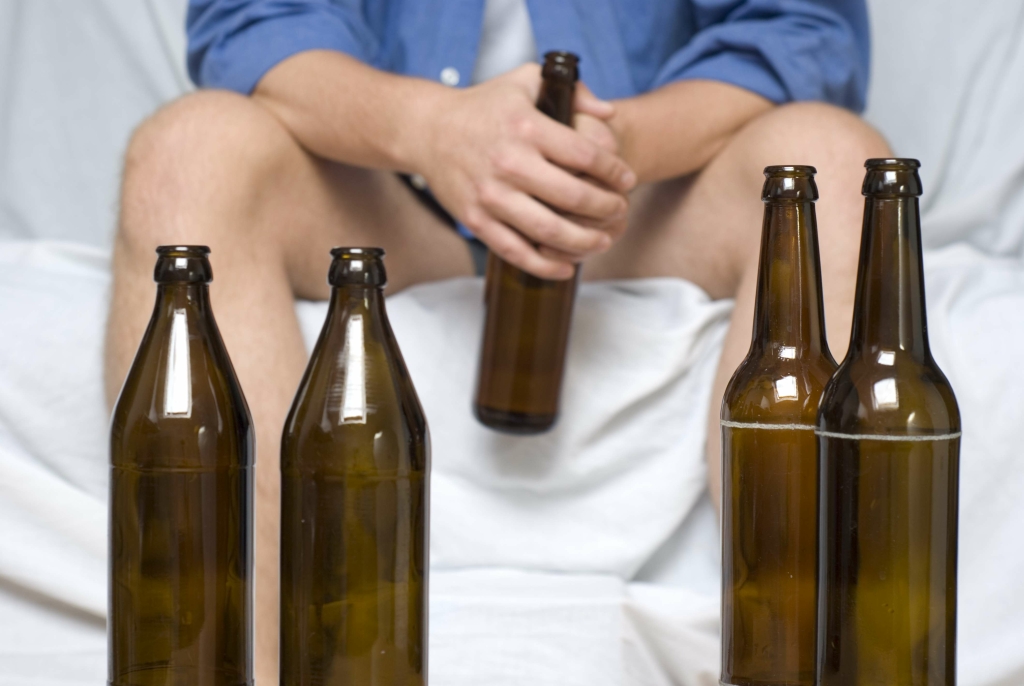
What can I do to support my immune system if I choose to drink alcohol?
Healthy habits, such as being active, eating a balanced diet, and getting enough sleep, can keep your immune system strong. But unhealthy factors, like stress, smoking, or drinking alcohol, can be taxing for your immune system and make it harder for it to fight off infection. Heavy alcohol use raises the risk for fractures and even low levels of alcohol intake increase the odds for recurrent gout attacks. Alcohol interferes with the brain’s communication pathways and can affect the way the brain looks and works. These disruptions can change mood and behavior and make it harder to think clearly and move with coordination.
Chronic stress can suppress immune function, making the body more susceptible to infections. Engaging in stress-reducing activities such as meditation, yoga, or hobbies can help boost immune function. There are several strategies individuals can employ to boost their immune system and counteract the negative effects of alcohol consumption. This includes eating a balanced diet rich in fruits, vegetables, whole grains, and lean proteins. Each of these events is mediated by the activation of nuclear factor kappa B (NFκB), which can be inhibited by alcohol consumption and thus prevent the production of pro-inflammatory cytokines. In vivo studies have confirmed that binge drinking with a blood alcohol concentration (BAC) of approximately 0.4% can reduce the production of various inflammatory cytokines including interleukin-6 (IL-6), IL-10, and IL-12.